

You’re here because you want to sound more natural and confident when speaking English, and that starts with something as simple as saying “yes.”
It might seem easy, but knowing how to say yes in different situations can make a big difference in how you connect with others.
Maybe you’re unsure which word fits best or want to avoid sounding repetitive or awkward.
Don’t worry; you’re not alone, and you’re in the right place to learn.
By the end, you’ll have simple, real-life ways to say “yes” that feel natural and comfortable.
Why Saying Yes Matters in Communication
Saying yes may seem simple, but it plays a powerful role in how people understand you.
It shows agreement, openness, and respect.
Builds Positive Relationships
When you say yes politely, it creates a friendly connection. People feel valued and heard.
Shows Willingness
Agreeing shows that you are ready to participate or help. This is important in school, work, and social situations.
Avoids Misunderstanding
Clear agreement helps others know your intentions. It reduces confusion in conversations.
Basic Ways to Say Yes in English
If you are a beginner, start with simple and common expressions.
Common Everyday Words
These are the easiest and most widely used ways:
- Yes
- Yeah
- Yup
- Sure
- Of course
Example:
“Do you want tea?”
“Yes, please.”
Polite Responses
Use these when speaking formally or respectfully:
- Yes, please
- Yes, thank you
- Certainly
- Absolutely
Example:
“Can you help me?”
“Certainly.”
Informal Ways to Say Yes
In casual conversations, people often use relaxed expressions.
Friendly and Casual Words
- Yeah
- Yup
- Sure thing
- Okay
- Alright
Example:
“Want to watch a movie?”
“Yeah!”
Slang Expressions
These are common among friends:
- Yep
- Uh-huh
- You bet
Example:
“Are you coming tonight?”
“You bet!”
Formal Ways to Say Yes
In professional or official settings, your choice of words matters.
Professional Agreement
- Certainly
- Of course
- I agree
- That would be great
Example:
“Can you attend the meeting?”
“Of course.”
Respectful Acceptance
- Yes, I would be happy to
- Yes, that sounds good
- I appreciate that
Example:
“Would you like to join us?”
“Yes, I would be happy to.”
Different Ways to Say Yes with Emotion
Sometimes, you want to express feelings along with agreement.
Showing Excitement
- Absolutely!
- Definitely!
- Sounds amazing!
Example:
“Do you want to travel?”
“Absolutely!”
Showing Calm Agreement
- Okay
- Sure
- That’s fine
Example:
“Let’s start now.”
“Okay.”
Showing Strong Agreement
- Exactly
- That’s right
- I agree completely
Example:
“This idea is good.”
“Exactly.”
How Tone Changes the Meaning of Yes
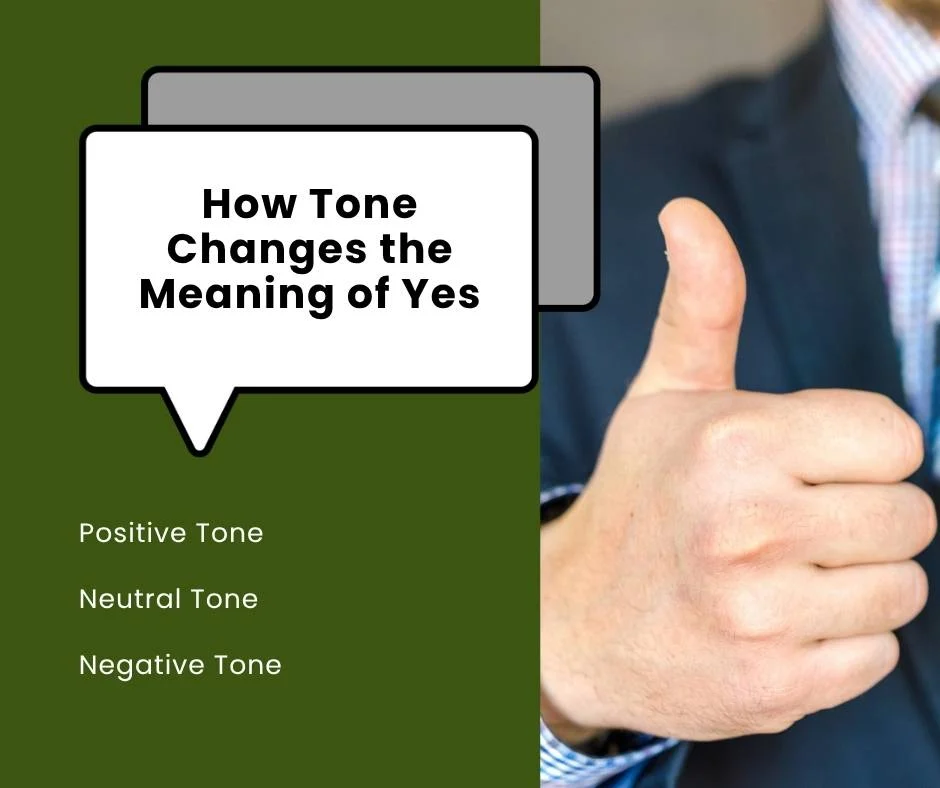
The way you say yes is just as important as the word itself.
Positive Tone
A cheerful tone shows interest and happiness.
Example:
“Yes!” (excited voice)
Neutral Tone
A flat tone shows simple agreement.
Example:
“Yes.” (normal voice)
Negative Tone
A slow or weak tone may sound unwilling.
Example:
“Yes…” (uncertain voice)
Using Yes in Different Situations
Knowing when and how to say yes helps you communicate better.
At School
- “Yes, teacher.”
- “Yes, I understand.”
At Work
- “Yes, I can do that.”
- “Yes, I will complete it.”
With Friends
- “Yeah, let’s go!”
- “Sure, why not?”
In Public Places
- “Yes, please.”
- “Yes, thank you.”
How to Say Yes Politely
Politeness is very important in English communication.
Add Polite Words
- Please
- Thank you
Example:
“Yes, please.”
“Yes, thank you.”
Use Full Sentences
Instead of saying only “yes,” say:
- “Yes, I would like that.”
- “Yes, I can help you.”
Smile and Use Body Language
Non-verbal communication makes your yes more friendly.
How to Say Yes Indirectly
Sometimes, people do not say yes directly but still agree.
Indirect Agreement
- “That sounds good.”
- “I think that’s a great idea.”
- “Why not?”
Example:
“Let’s go out.”
“That sounds good.”
Common Mistakes When Saying Yes
Even simple words can be used incorrectly.
Saying Yes Without Understanding
Always understand before agreeing.
Wrong: Saying yes without listening
Right: Ask questions first
Using Informal Words in Formal Settings
Avoid slang in professional situations.
Wrong: “Yep” in an office meeting
Right: “Certainly”
Weak or Unclear Responses
Be confident when you agree.
Wrong: “Maybe… yes…”
Right: “Yes, I agree.”
Advanced Ways to Say Yes
Once you are comfortable, try more natural expressions.
Expressing Agreement Clearly
- “I completely agree with you.”
- “That makes sense.”
Accepting Offers
- “I’d love to.”
- “That would be wonderful.”
Showing Support
- “I’m on board.”
- “Count me in.”
Example:
“We are starting a project.”
“Count me in.”
Cultural Differences in Saying Yes
Different cultures use “yes” in different ways.
Direct vs Indirect Communication
Some cultures say yes directly, while others prefer indirect responses.
Body Language
In some places, nodding means yes. In others, it may differ.
Tone and Respect
Formal cultures require polite and respectful agreement.
Practical Tips to Improve
Improving your ability to say yes takes practice.
Practice Daily
Try using different ways of saying yes in conversations.
Listen to Native Speakers
Watch movies or listen to conversations to learn natural expressions.
Use Role-Playing
Practice with friends or classmates.
Learn Context
Choose your words based on the situation.
Real-Life Examples
Here are some real-life situations to help you understand better.
Example 1: At a Restaurant
Waiter: “Would you like water?”
You: “Yes, please.”
Example 2: At Work
Manager: “Can you finish this task today?”
You: “Yes, I can.”
Example 3: With Friends
Friend: “Let’s go shopping.”
You: “Sure!”
Example 4: Formal Invitation
Host: “Would you like to join us?”
You: “Yes, I would be happy to.”
Frequently Asked Questions (FAQs)
What is the simplest way to say yes in English?
The simplest way is just “yes.” It is easy and understood by everyone.
How to say yes politely?
You can say “Yes, please” or “Yes, thank you” to sound polite and respectful.
Can I use “yeah” instead of yes?
Yes, but only in informal situations like talking with friends.
What are formal ways to say yes?
Use words like “Certainly,” “Of course,” or “I agree” in formal settings.
How to say yes in a professional way?
Say “Yes, I can do that” or “Yes, I would be happy to help.”
Conclusion
Learning how to say yes helps you communicate clearly and confidently.
From simple words like “yes” to advanced expressions like “I agree completely,” each form has its place.
By understanding tone, context, and politeness, you can use yes effectively in any situation.
Keep practicing, and your communication skills will improve naturally.
Also Check These Posts:
How to Say Bitch in Chinese | Learn the Right Way Without Mistakes
Learn How to Say Military Time Without Confusion for Beginners
How to Say Where Are You in Spanish the Simple and Stress-Free Way

Daniel Carter
Hi, I’m Daniel Carter, a passionate storyteller and lifelong explorer of languages and cultures. Writing has always been my way of connecting with the world, sharing stories that inspire, educate, and entertain. I love diving into the nuances of communication and finding beauty in the words we use every day. Over the years, I’ve dedicated myself to crafting stories that resonate across borders and languages. When I’m not writing, you’ll usually find me exploring new places or learning something new about the world around me. My goal is to create stories that make readers think, smile, and sometimes even dream.
Books:
-
Whispers Across Borders
-
The Language of Hearts