
Learning family words in a new language can be fun and useful, especially when you want to connect with loved ones.
If you’ve ever wondered how to say sister in Spanish, you’re in the right place.
In this guide, you’ll discover the exact word, its pronunciation, and tips to use it naturally in conversation.
Whether chatting with friends or family, you’ll soon feel confident saying “sister” in Spanish like a native.
Understanding the Word Sister in Spanish
In Spanish, the word for sister is hermana. It’s important to learn both the word and how it fits naturally into sentences.
Spanish is a gendered language, so knowing the gender of nouns is crucial. Since “sister” is female, hermana is feminine.
If you want to say “my sister,” you simply add mi before it: mi hermana.
Examples:
- Tengo una hermana. – I have a sister.
- Mi hermana es mayor que yo. – My sister is older than me.
- Voy a visitar a mi hermana. – I’m going to visit my sister.
Notice how easy it is to include the word in everyday conversations once you know the basics.
Talking About Sisters in Different Contexts
Learning how to say sister in Spanish is just the beginning.
The next step is using it in various contexts. Depending on the situation, you might need slightly different expressions.
Describing Your Sister
When talking about your sister, you can describe her using adjectives. Spanish adjectives usually come after the noun and match the gender.
Examples:
- Mi hermana es amable. – My sister is kind.
- Tengo una hermana divertida. – I have a fun sister.
- Mi hermana mayor vive en Madrid. – My older sister lives in Madrid.
Notice that mayor means older, while menor means younger. These words are helpful to distinguish between siblings.
Talking About Siblings in General
Sometimes, you might want to talk about siblings without specifying gender.
Spanish has a word for siblings in general: hermanos.
It can mean all brothers and sisters together or just brothers if only males are mentioned.
Examples:
- Tengo dos hermanos. – I have two siblings.
- Mis hermanos viven en la ciudad. – My siblings live in the city.
In Spanish, if you have both brothers and sisters, the plural hermanos is used, which covers all.
Adding Possessives and Family Vocabulary
Once you know hermana, you can combine it with possessive words to personalize your sentences. Possessives include:
- mi – my
- tu – your (informal)
- su – his, her, your (formal)
- nuestro / nuestra – our
Examples:
- Mi hermana menor estudia en la universidad. – My younger sister studies at the university.
- Tu hermana es muy simpática. – Your sister is very nice.
- Nuestra hermana vive en otra ciudad. – Our sister lives in another city.
Notice how hermana changes to fit naturally with possessives and context.
Talking About Your Sister Professionally or Formally
In formal or professional conversations, Spanish speakers might add context about your sister to show respect or provide more information.
This is especially common in introductions, letters, or conversations with elders.
Examples:
- Mi hermana, la doctora, trabaja en un hospital. – My sister, the doctor, works in a hospital.
- Su hermana está estudiando ingeniería. – His/her sister is studying engineering.
- Mi hermana se dedica a la música. – My sister is devoted to music.
Adding context helps conversations sound complete and natural.
Using Sister in Expressions and Idioms
Spanish often uses family words like hermana in expressions that aren’t literal.
Learning these phrases makes you sound more fluent and culturally aware.
Common Expressions:
- Como hermanas – Like sisters (to show closeness between friends)
- Hermanas de sangre – Blood sisters (biological sisters)
- Hermanas del alma – Soul sisters (very close female friends)
Examples:
- Somos amigas como hermanas. – We are friends like sisters.
- Ellas son hermanas del alma. – They are soul sisters.
Expressions like these show that learning how to say sister in Spanish goes beyond vocabulary; it helps you connect culturally.
Differentiating Between Older and Younger Sisters
Spanish makes it easy to indicate the age relationship between sisters.
Use hermana mayor for older sisters and hermana menor for younger sisters.
These terms are widely used in everyday conversations and formal writing.
Examples:
- Mi hermana mayor siempre me ayuda. – My older sister always helps me.
- Tengo una hermana menor que es muy inteligente. – I have a younger sister who is very smart.
Adding age context makes your sentences more precise and natural.
Using Sister in Questions
When asking questions about sisters, Spanish has simple sentence structures that are easy for beginners.
Examples:
- ¿Tienes hermana? – Do you have a sister?
- ¿Cómo se llama tu hermana? – What is your sister’s name?
- ¿Dónde vive tu hermana? – Where does your sister live?
Notice that hermana remains the same in questions. Just add the question word (qué, dónde, cómo) to make it clear.
Talking About Your Sister in the Past
To discuss your sister in the past, Spanish uses past tense verbs. This is helpful when telling stories or sharing memories.
Examples:
- Mi hermana estudió en España. – My sister studied in Spain.
- Cuando era niña, mi hermana y yo jugábamos juntas. – When I was a child, my sister and I played together.
- Mi hermana me ayudó con la tarea ayer. – My sister helped me with homework yesterday.
Using past tense verbs with hermana adds depth to conversations.
Talking About Your Sister in the Future
Similarly, you can talk about your sister in the future. Spanish uses simple future tense verbs to indicate plans or intentions.
Examples:
- Mi hermana visitará la universidad mañana. – My sister will visit the university tomorrow.
- Voy a viajar con mi hermana el próximo mes. – I’m going to travel with my sister next month.
- Mi hermana va a empezar un nuevo trabajo pronto. – My sister is going to start a new job soon.
Combining hermana with future tense verbs shows advanced understanding and helps you communicate plans.
Common Mistakes to Avoid
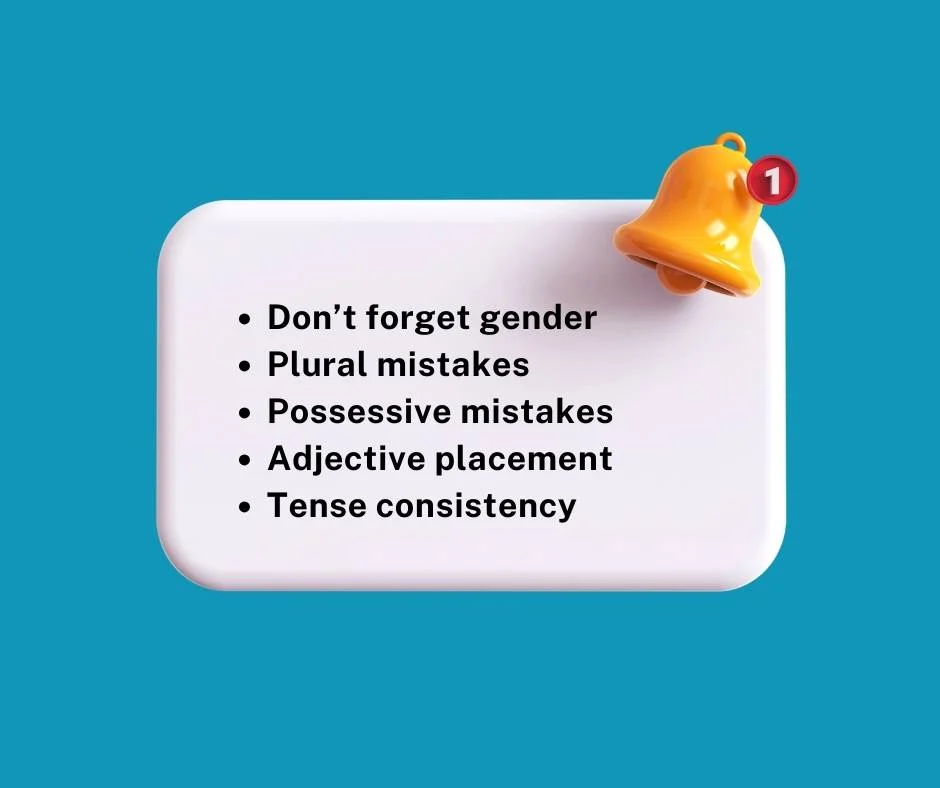
Beginners often make small mistakes when using hermana. Here are some tips to help you avoid them:
- Don’t forget gender: Always use hermana for a sister and hermano for a brother.
- Plural mistakes: Use hermanas for multiple sisters, not hermanos unless referring to all siblings.
- Possessive mistakes: Place possessives like mi, tu, su before the noun, not after.
- Adjective placement: In Spanish, adjectives usually follow the noun. Mi hermana inteligente is correct, not mi inteligente hermana.
- Tense consistency: Keep the verb tense consistent when talking about your sister in past, present, or future.
Frequently Asked Questions (FAQs)
1. How do you say older sister in Spanish?
You say hermana mayor. Example: Mi hermana mayor vive en Madrid.
2. How do you say younger sister in Spanish?
You say hermana menor. Example: Tengo una hermana menor que estudia música.
3. What is the plural form of sister in Spanish?
The plural form is hermanas. Example: Mis hermanas son muy inteligentes.
4. How do you say “my sister” in Spanish?
You say mi hermana. Example: Mi hermana es doctora.
5. Can “hermana” be used for close friends?
Yes, in expressions like hermana del alma (soul sister) or como hermanas (like sisters).
Conclusion
Learning how to say sister in Spanish is a foundational step in mastering family vocabulary.
From simple sentences to expressing age, describing your sister, and using cultural expressions, hermana is easy to include in daily conversations.
By practicing the examples and tips shared in this guide, you’ll gain confidence in speaking naturally and connecting with Spanish speakers about family.
Your sister, or even your friends, will appreciate your new vocabulary skills.
Also Check These Posts:
Learn How to Say Date in Spanish Today
How to Say Nice to Meet You in French | Spoken & Formal in 2026
How to Say Sentence in Spanish | Spoken & Written Use in 2026

Darcy Lynn
Darcy Lynn has always been fascinated by the colors and stories of life. Her journey with writing began in childhood, and today she takes readers into new worlds through her stories. For her, every word is a way to explore new experiences and emotions. Darcy loves exploring stories across different cultures and languages, which also reflects in her unique writing style. She believes that a good story touches every heart and sparks deeper thinking. Alongside writing, she enjoys connecting directly with her readers and understanding their feelings.
Books:
-
Whispers Across Worlds
-
Echoes of Tomorrow