
You’re here because you want to connect, and even a simple phrase like how to say how are you in Russian can open that door.
Maybe you feel a little unsure or shy but that’s completely okay, and you’re not alone.
Learning how to greet someone in a new language is one of the most powerful first steps you can take.
In this guide, you’ll discover easy, natural ways to say it with confidence in real conversations.
By the end, you’ll feel ready to speak and maybe even impress someone with your Russian skills.
The Basic Way to Say How Are You in Russian
The most common way to say “how are you?” in Russian is:
- Как дела? (Kak dela?)
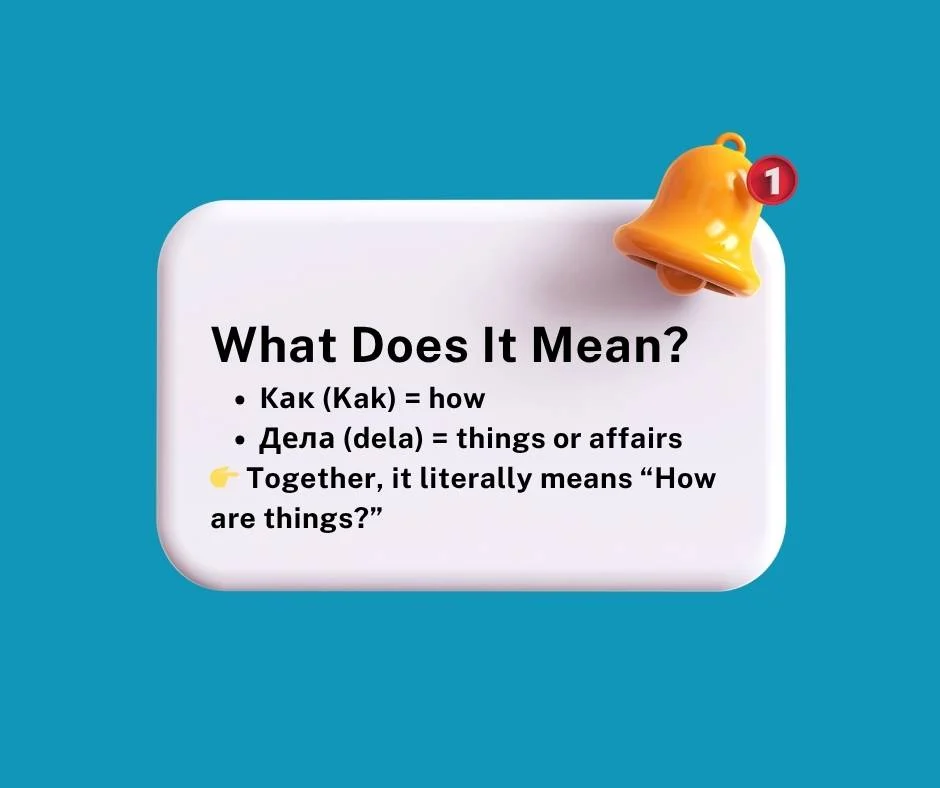
What Does It Mean?
- Как (Kak) = how
- Дела (dela) = things or affairs
👉 Together, it literally means “How are things?”
Simple Example
- Привет! Как дела?
(Privet! Kak dela?)
👉 “Hi! How are you?”
This phrase is widely used in everyday conversations.
Formal and Informal Ways to Ask
Russian has different levels of politeness, so choosing the right phrase matters.
Informal Version
- Как дела? → used with friends and people you know well
👉 Example:
- Привет, как дела?
“Hi, how are you?”
Formal Version
- Как вы? (Kak vy?) → used in polite or formal situations
👉 Example:
- Здравствуйте, как вы?
(Zdravstvuyte, kak vy?)
👉 “Hello, how are you?”
When to Use Each
- Use informal with friends, classmates, or younger people
- Use formal with elders, teachers, or strangers
Pronunciation Guide for Beginners
Russian pronunciation may look difficult, but it becomes easier step by step.
Breaking It Down
Как дела?
- Как → “kahk”
- дела → “dye-LAH”
👉 Full pronunciation: kahk dye-LAH
Pronouncing Formal Version
Как вы?
- Как → “kahk”
- вы → “vih”
👉 Full pronunciation: kahk vih
Tips for Better Pronunciation
- Stress the second word in дела
- Keep sounds soft and smooth
- Practice slowly before speaking naturally
Other Common Ways to Say How Are You in Russian
Russian speakers use different phrases depending on mood and situation.
Casual Variations
- Как поживаешь? (Kak pozhivayesh?)
👉 “How’s life going?” (friendly) - Как жизнь? (Kak zhizn?)
👉 “How’s life?”
More Formal Options
- Как у вас дела?
👉 “How are things with you?” - Как вы поживаете?
👉 “How have you been?”
Friendly Slang
- Как ты? (Kak ty?)
👉 “How are you?” (very casual)
How to Respond to How Are You in Russian
Knowing how to reply is just as important.
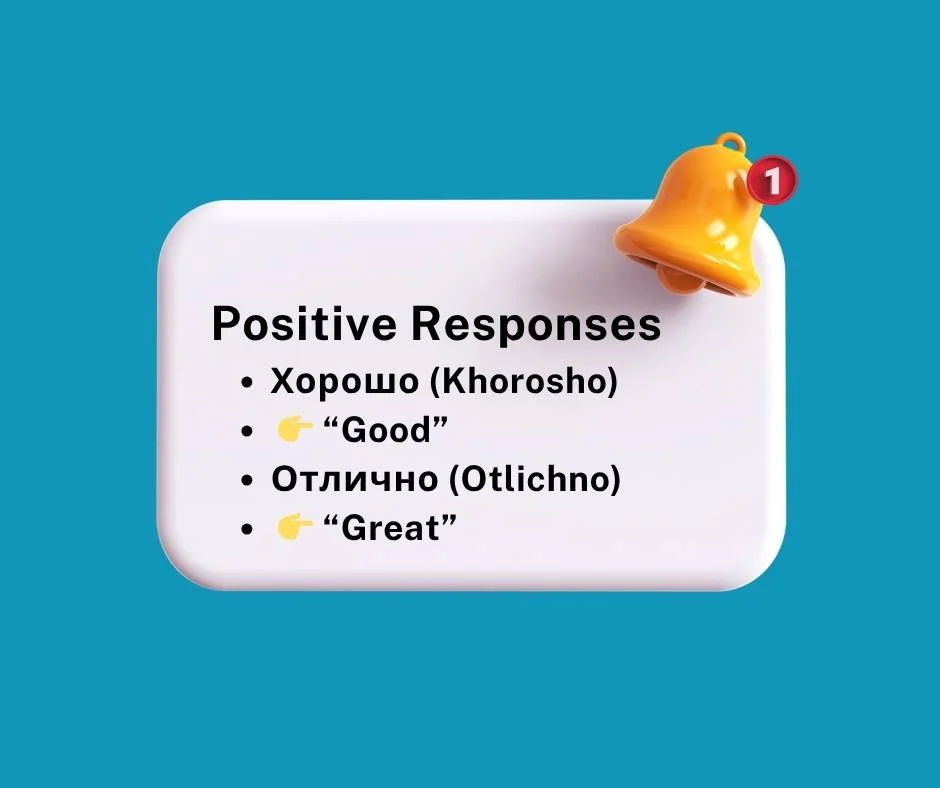
Positive Responses
- Хорошо (Khorosho)
👉 “Good” - Отлично (Otlichno)
👉 “Great”
Neutral Responses
- Нормально (Normalno)
👉 “Fine”
Negative Responses
- Плохо (Plokho)
👉 “Bad”
Example Conversation
- A: Как дела?
- B: Хорошо, спасибо! А у тебя?
👉 “Good, thanks! And you?”
Real-Life Situations and Examples
Using the phrase in real life helps you remember it better.
Meeting a Friend
- Привет! Как дела?
👉 “Hi! How are you?”
Talking to a Teacher
- Здравствуйте, как вы?
👉 “Hello, how are you?”
Texting Someone
- Как дела?
👉 Simple and common in chats
Common Mistakes Beginners Make
When learning how to say how are you in Russian, beginners often make small errors.
Using Informal in Formal Situations
- Saying Как ты? to a teacher may sound rude
Ignoring Pronunciation Stress
- Wrong stress can make words hard to understand
Forgetting to Respond
- In Russian culture, it’s polite to ask back:
👉 “А у тебя?” (And you?)
Cultural Tips for Better Communication
Understanding culture makes your language more natural.
Russians Value Sincerity
- People often give honest answers
- Not always just “I’m fine”
Tone Matters
- Friendly tone makes conversations smoother
Politeness Is Important
- Use formal phrases when unsure
- Respect elders and strangers
Expanding Your Conversation Skills
Once you learn the basic phrase, you can build longer conversations.
Add Follow-Up Questions
- Что нового?
👉 “What’s new?” - Как работа?
👉 “How is work?”
Combine Sentences
- Как дела? Что нового?
👉 “How are you? What’s new?”
Practice Exercises for Beginners
Practice helps you speak confidently.
Exercise 1: Repeat Daily
Say:
- Как дела?
- Как вы?
Exercise 2: Answer Practice
- Как дела?
👉 Хорошо
Exercise 3: Role Play
Practice with a friend:
- Ask and answer questions
- Switch formal and informal versions
Useful Vocabulary to Support Your Learning
Learning extra words improves your fluency.
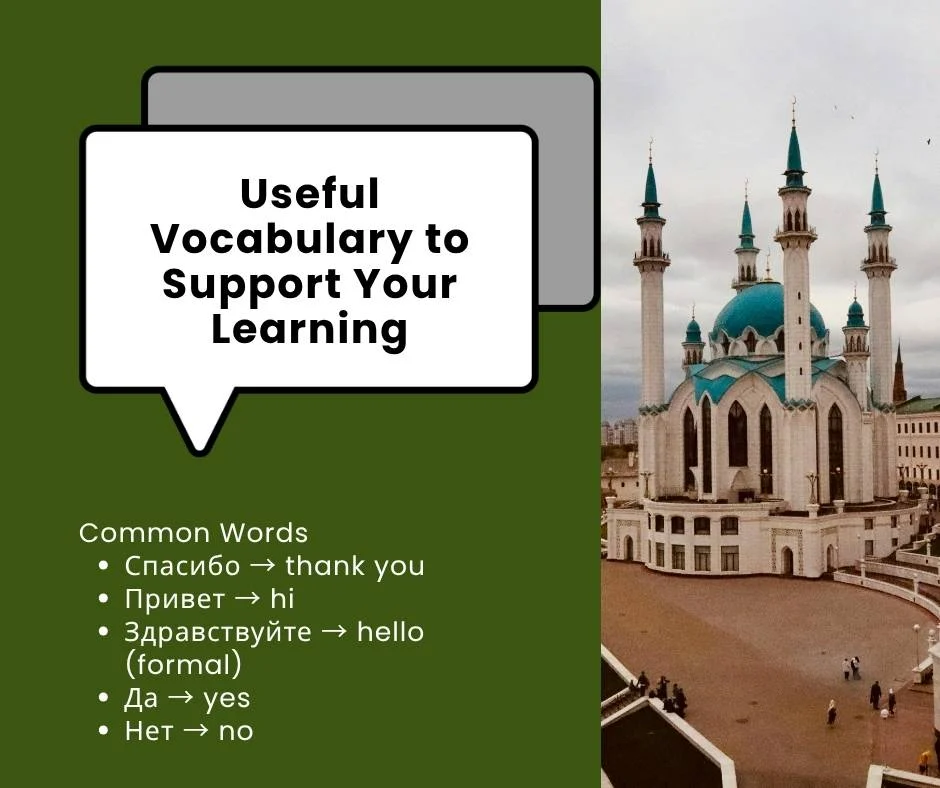
Common Words
- Спасибо → thank you
- Привет → hi
- Здравствуйте → hello (formal)
- Да → yes
- Нет → no
Example Sentences
- Спасибо, хорошо
👉 “Thank you, I’m good” - Привет, как дела?
👉 “Hi, how are you?”
Why This Phrase is Important
Understanding how to say how are you in Russian helps you connect with people.
Key Benefits
- Starts conversations easily
- Builds confidence
- Shows politeness
- Improves speaking skills
Real-Life Value
Even one phrase can:
- Help you make friends
- Improve travel experiences
- Build cultural understanding
Frequently Asked Questions (FAQs)
What is the most common way to say how are you in Russian?
The most common way is Как дела?, used in everyday conversations.
How do you say how are you in Russian formally?
You say Как вы? when speaking politely.
Is Как дела formal or informal?
It is mostly informal and used with friends or people you know well.
Can beginners easily learn how to say how are you in Russian?
Yes, it is simple and one of the first phrases beginners learn.
Why should I learn how to say how are you in Russian?
It helps you start conversations and communicate naturally with Russian speakers.
Conclusion
Learning how to say how are you in Russian is a simple yet powerful step in your language journey.
Phrases like Как дела? and Как вы? allow you to connect with people in a friendly and respectful way.
With regular practice and understanding of context, you’ll use these expressions confidently in real conversations.
Also Check These Posts:
How to Say Bitch in Chinese | Learn the Right Way Without Mistakes
Learn How to Say Military Time Without Confusion for Beginners
How to Say Where Are You in Spanish the Simple and Stress-Free Way

Blake Kinslee
Hi! I’m Blake, a passionate writer who loves exploring the beauty of different languages and cultures through storytelling. Ever since I was young, I’ve been fascinated by how words can connect people across the world. Writing, for me, is not just a hobby—it’s a way to share ideas, emotions, and dreams with readers everywhere. When I’m not crafting stories, you’ll usually find me reading, traveling, or discovering new words in languages I’ve never spoken before. Every book I write is a journey, and I hope my readers feel that magic too.
Books:
-
Whispers Across Borders
-
The Language of Dreams