
Want to know how to say you’re welcome in Italian like a native?
If you’re learning Italian or traveling, the right phrase can make your conversations smoother and more natural.
Using polite and authentic expressions shows respect and helps you connect better with locals.
In this guide, you’ll learn exactly how to say you’re welcome in Italian in everyday situations.
Why learning polite responses matters
When you learn a new language, people often focus on greetings and basic phrases.
However, polite responses are just as important. Saying “you’re welcome” correctly shows respect and warmth.
In Italian culture, politeness plays a big role in daily communication.
A simple response can make conversations smoother and more friendly.
Using the right phrase also helps you avoid sounding rude or distant without meaning to.
The most common way Italians say you’re welcome
Prego and its everyday use
The most common and widely used way to say you’re welcome in Italian is prego. You will hear it everywhere in Italy.
- It is polite and natural
- It works in both formal and informal situations
- Italians use it with friends, strangers, and elders
Example:
- Person A: Grazie (Thank you)
- Person B: Prego (You’re welcome)
Prego is safe to use in almost every situation. If you are a beginner, this is the best word to remember first.
Friendly and casual responses
Di niente in relaxed conversations
Another common phrase is di niente, which means “it’s nothing.” Italians often use it with friends or family.
- Sounds friendly and relaxed
- Best for informal situations
- Shows that helping was no trouble
Example:
- Grazie per l’aiuto
- Di niente
This phrase makes the conversation feel warm and easygoing.
Polite but slightly formal options
Non c’è di che in everyday politeness
Non c’è di che means “there’s no need to thank me.” It is polite but still friendly.
- Suitable for casual and semi-formal settings
- Common in daily conversations
- Sounds natural and kind
Example:
- Grazie mille
- Non c’è di che
It shows humility and kindness, which Italians appreciate.
Very polite and formal expressions
È stato un piacere in respectful situations
When you want to be extra polite, especially in professional or formal settings, è stato un piacere works well.
- Means “it was a pleasure”
- Used in work or service situations
- Shows respect and professionalism
Example:
- After helping a customer
- After a formal meeting
This phrase leaves a positive and polite impression.
Warm and heartfelt responses
Figurati for close relationships
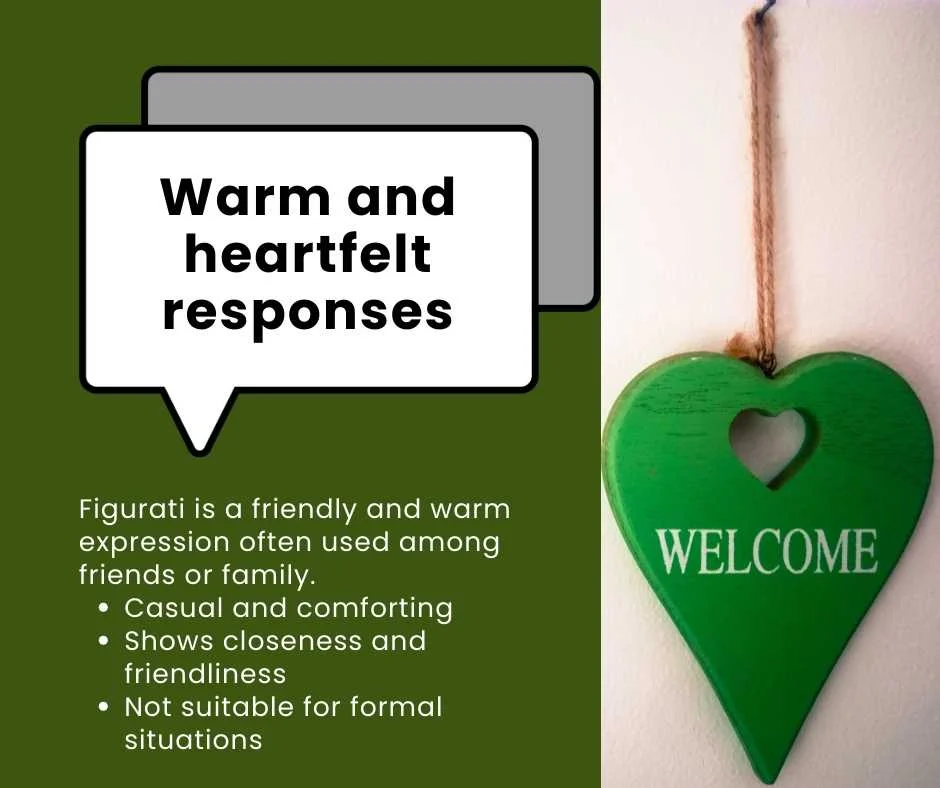
Figurati is a friendly and warm expression often used among friends or family.
- Casual and comforting
- Shows closeness and friendliness
- Not suitable for formal situations
Example:
- Grazie per essere venuto
- Figurati
It makes the listener feel comfortable and appreciated.
Advanced ways Italians respond naturally
Ma figurati for stronger warmth
Ma figurati adds extra emotion and friendliness.
- Expresses kindness
- Shows strong connection
- Often used in spoken Italian
This phrase feels very human and natural.
Regional and cultural variations
Italian is spoken differently across regions. While the phrases stay the same, tone and frequency may vary.
- In cities, prego is very common
- In small towns, figurati may be used more
- Formal settings prefer polite expressions
Understanding this helps you sound more natural.
Choosing the right phrase in real life
Knowing how to say you’re welcome in Italian is not just about words. It is about context.
With friends
- Di niente
- Figurati
With strangers
- Prego
- Non c’è di che
In professional settings
- È stato un piacere
- Prego
Choosing the right phrase shows emotional intelligence.
Common mistakes learners make
Many learners repeat the same phrase everywhere. While not wrong, variety sounds more natural.
- Using figurati in formal meetings
- Using è stato un piacere with close friends
Learning context avoids awkward moments.
Body language and tone
Italians use tone and gestures a lot.
- Smile when responding
- Use gentle hand movements
- Keep a warm tone
Even a simple word sounds better with friendly body language.
How Italians feel about politeness
Politeness in Italy is not stiff or cold. It is warm and expressive.
- Responses often feel emotional
- Eye contact matters
- Sincerity is valued
This makes conversations feel more human.
Practicing these phrases daily
To remember these expressions, use them often.
- Practice with friends
- Say them aloud
- Watch Italian videos
The more you hear them, the more natural they feel.
Using these phrases while traveling
When visiting Italy, polite responses create good impressions.
- In restaurants
- In shops
- With hotel staff
Locals appreciate when you try to speak their language.
How these phrases build confidence
Knowing how to respond properly reduces fear while speaking.
- You feel prepared
- Conversations flow better
- You sound more fluent
Confidence grows with small wins.
Frequently Asked Questions
What is the most common way to say you’re welcome in Italian?
The most common way to say you’re welcome in Italian is prego, and it works in almost every situation.
Can I always use prego in Italian?
Yes, prego is safe for formal and informal situations, especially for beginners.
Is di niente polite in Italian?
Yes, di niente is polite and friendly, but it is best for casual conversations.
How do I say you’re welcome in Italian formally?
You can say è stato un piacere or prego in formal situations.
Why are there many ways to say you’re welcome in Italian?
Italian values expression and warmth, so different phrases match different emotions and situations.
Conclusion
Learning how to say you’re welcome in Italian helps you sound polite, confident, and culturally aware.
From simple phrases like prego to warmer expressions like figurati, each option has its place.
With practice, you will choose the right words naturally.
Keep learning, stay curious, and enjoy every conversation in Italian.
Also Check These Posts:
How to Say I Miss You Without Saying It | Real-Life Examples That Feel Genuine
How to Say My Condolences in Spanish | Communicate Comfort and Support
How to Say Good Evening in French | Speak Like a Native Tonight
How to Say We in Spanish | Make Your Conversations Smooth in 2026

Blake Kinslee
Hi! I’m Blake, a passionate writer who loves exploring the beauty of different languages and cultures through storytelling. Ever since I was young, I’ve been fascinated by how words can connect people across the world. Writing, for me, is not just a hobby—it’s a way to share ideas, emotions, and dreams with readers everywhere. When I’m not crafting stories, you’ll usually find me reading, traveling, or discovering new words in languages I’ve never spoken before. Every book I write is a journey, and I hope my readers feel that magic too.
Books:
-
Whispers Across Borders
-
The Language of Dreams