

How to say shut up in French is something many learners search for when they hear it in movies or real conversations.
You might want to know the exact meaning without sounding rude or disrespectful.
This article clearly explains the right French words and their tone.
So you can use them naturally and avoid awkward mistakes.
Understanding the Meaning Before You Say It
Before jumping into translations, it’s important to understand something crucial:
“Shut up” in English already sounds harsh.
In French, it can sound even stronger if used incorrectly.
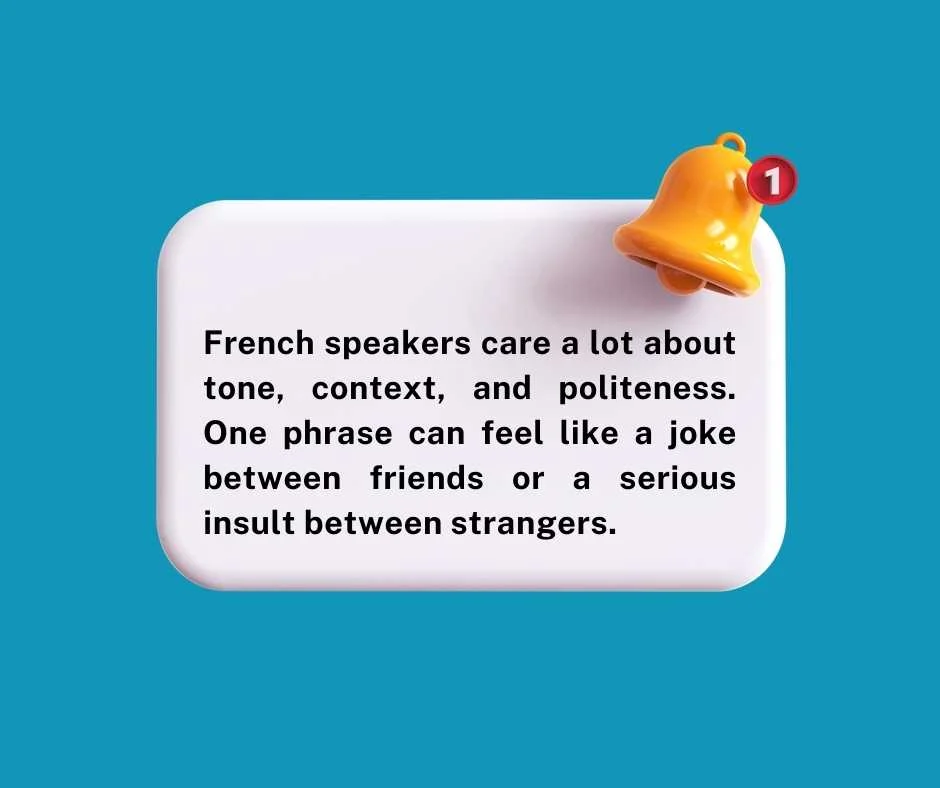
French speakers care a lot about tone, context, and politeness. One phrase can feel like a joke between friends or a serious insult between strangers.
That’s why learning how to say shut up” in French is not just about words. It’s about when, where, and how to use them.
How to Say Shut Up in French Slang
In French language, there are several slang expressions people use instead of the direct translation of “shut up.”
Some are playful while others can be rude depending on the tone.
Common French slang phrases include:
- Ta gueule – Shut up (very rude)
- Ferme-la – Shut it / Be quiet
- Chut – Shh / quiet
- Tais-toi – Be quiet
Example Usage
Friends joking around:
- Oh, ta gueule ! (used playfully among close friends)
Parents to children:
- Tais-toi un moment.
Meaning: Be quiet for a moment.
Important Tip
Some phrases like Ta gueule are considered offensive if used with strangers, so they should be used carefully.
How to Say Shut Up in Spanish
In Spanish language, the most common phrase for shut up is:
Cállate
Pronunciation: kai-ya-te
Meaning: Be quiet / Shut up
Other Spanish Variations
- Cállense – Shut up (plural)
- Silencio – Silence
- Guarda silencio – Keep quiet
Example Sentence
- Cállate un momento.
Meaning: Be quiet for a moment.
Spanish speakers often soften the tone by adding polite words.
Example:
- Por favor, cállate un momento.
Please be quiet for a moment.
How to Say Shut Up in French Pronunciation
The direct French translation of shut up is:
Tais-toi
Pronunciation: tay-twah
Meaning: Be quiet
Pronunciation Breakdown
- Tais sounds like “tay”
- toi sounds like “twah”
Other Common French Expressions
| French Phrase | Pronunciation | Meaning |
| Tais-toi | tay-twah | Be quiet |
| Ferme ta bouche | ferm ta boosh | Shut your mouth |
| Chut | shoo | Shh |
Example
Teacher speaking to noisy students:
“Chut ! Tais-toi.”
Meaning:
“Shh! Be quiet.”
How to Say Shut Up in French (Reddit Discussions)
Online communities like Reddit often discuss language slang and casual phrases. According to many language learners and native speakers, the most mentioned expressions include:
- Ta gueule – very rude shut up
- Ferme-la – shut it
- Tais-toi – be quiet
- Chut – shh
Reddit Advice From Native Speakers
Many French speakers say:
- Ta gueule is strong and can sound aggressive
- Tais-toi is more neutral
- Chut is the safest and most polite option
Because of this, beginners are usually encouraged to use Chut or Tais-toi instead of harsher slang.
How to Say Shut Up in Italian
In Italian language, there are a few common ways to say shut up depending on the situation.
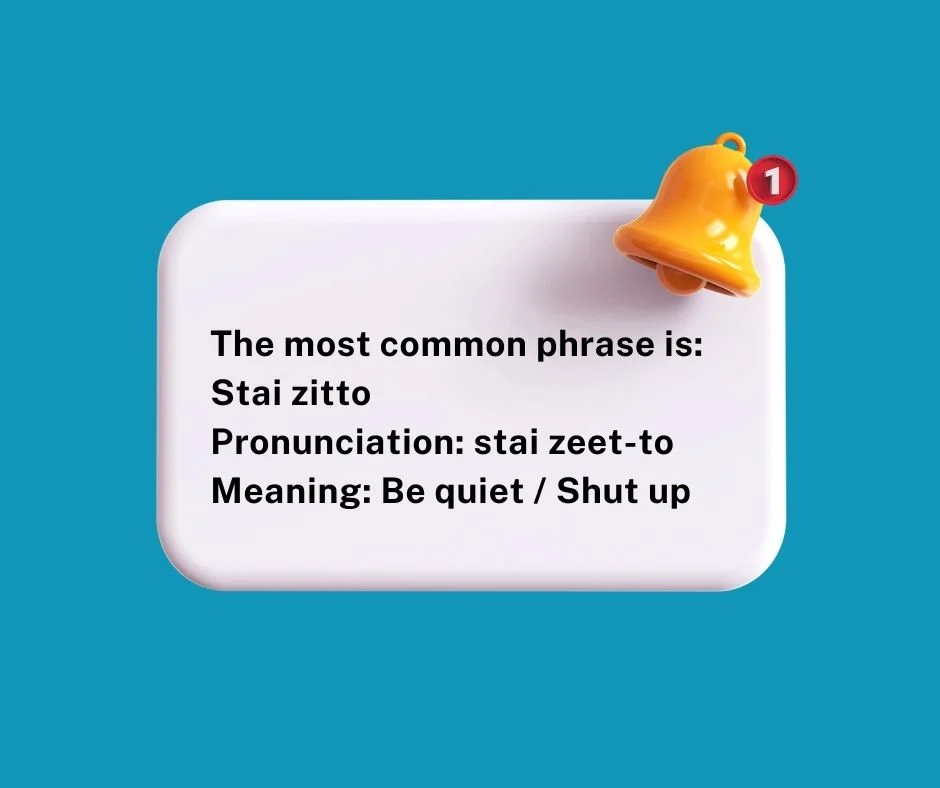
The most common phrase is:
Stai zitto
Pronunciation: stai zeet-to
Meaning: Be quiet / Shut up
Other Italian Variations
- Stai zitta – Shut up (to a female)
- Silenzio – Silence
- Taci – Be silent
Example Sentence
Friend joking:
“Stai zitto! Non è vero!”
Meaning:
“Shut up! That’s not true!”
Cultural Note
Just like English, tone matters. Said jokingly, it may sound playful. Said angrily, it becomes rude.
How to Say Shut Up in Japanese
In Japanese language, there are several ways to express this idea, ranging from polite to very rude.
Common Japanese Phrases
黙って (Damatte)
Pronunciation: dah-mah-te
Meaning: Be quiet
Another stronger phrase is:
うるさい (Urusai)
Meaning: You’re noisy / Shut up
Example Sentences
- ちょっと黙って。
Meaning: Please be quiet for a moment. - うるさい!
Meaning: Shut up!
Cultural Tip
Japanese culture often prefers indirect or polite speech. Direct phrases like Urusai can sound very harsh if used incorrectly.
How to Say Shut Up in German
In German language, the phrase for shut up can also vary in tone.
The most common phrase is:
Halt den Mund
Pronunciation: halt den moond
Meaning: Shut your mouth
Other German Expressions
- Sei still – Be quiet
- Ruhe – Silence
- Halt die Klappe – Shut up (rude)
Example
Parent speaking to a noisy child:
“Sei still bitte.”
Meaning:
“Please be quiet.”
Tone Matters
Some phrases like Halt die Klappe are considered rude, so they should be used carefully.
Shut Up in French Canadian
In Quebec, where Canadian French is spoken, people sometimes use slightly different slang expressions.
Common Quebec phrases include:
- Ta gueule – Shut up (same as France, rude)
- Ferme-la – Shut it
- Chut – Shh
Quebec Slang Example
Friends joking:
“Ferme-la, c’est pas vrai !”
Meaning:
“Shut up, that’s not true!”
Cultural Note
Quebec French uses many informal expressions, but tone and context still determine whether a phrase sounds playful or rude.
The Most Common Direct Translation
“Tais-toi”
This is the most common and direct way to say “shut up” in French.
- Tais-toi = Shut up (informal, direct)
- Used with people you know well
- Can sound rude or angry if said sharply
Example:
- Tais-toi, j’essaie de me concentrer.
(Shut up, I’m trying to concentrate.)
⚠️ Important note:
This phrase is not polite. Avoid using it with strangers, elders, teachers, or in professional settings.
Slightly Polite but Still Firm Options
“Taisez-vous”
This is the formal version of tais-toi.
- Taisez-vous = Shut up (formal, serious)
- Used when speaking to someone respectfully
- Often sounds strict or authoritative
Example:
- Taisez-vous, s’il vous plaît.
(Please be quiet.)
This version is common in classrooms, meetings, or official situations.
Softer and Polite Alternatives (Recommended for Beginners)
If you want to avoid sounding rude, these phrases are much safer.
“Silence, s’il vous plaît”
- Means: Please be quiet
- Polite and neutral
- Suitable for public places
Example:
- Silence, s’il vous plaît, le film commence.
(Please be quiet, the movie is starting.)
“Tu peux te taire, s’il te plaît ?”
- Softer than tais-toi
- Still informal
- Uses “please” to reduce harshness
Example:
- Tu peux te taire, s’il te plaît ? J’écoute.
(Can you be quiet, please? I’m listening.)
Friendly and Playful Expressions
French people often use playful expressions instead of saying “shut up” directly.
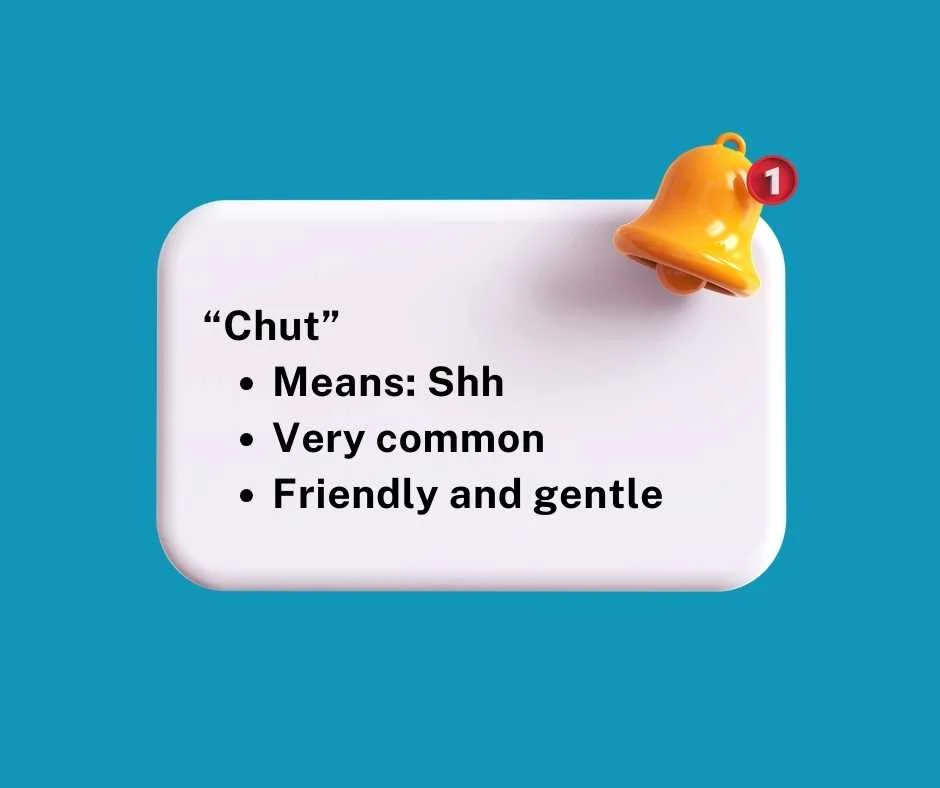
“Chut”
- Means: Shh
- Very common
- Friendly and gentle
Example:
- Chut, le bébé dort.
(Shh, the baby is sleeping.)
This is one of the safest options for beginners.
“Oh là là, calme-toi”
- Means: Calm down
- Less aggressive
- Used in friendly conversations
Slang and Strong Expressions (Use With Extreme Care)
These expressions exist, but beginners should avoid using them.
“Ferme-la”
- Very rude
- Sounds aggressive
- Similar to “Shut the hell up”
Example:
- Ferme-la !
(Shut up!)
This can easily start an argument.
“Boucle-la”
- Slang
- Used among close friends
- Can sound insulting
Not recommended unless you fully understand French social tone.
Choosing the Right Phrase for the Situation
Knowing how to say shut up” in French depends heavily on context.
With Friends
- Chut
- Tais-toi (only jokingly)
With Strangers
- Silence, s’il vous plaît
- Taisez-vous
With Children
- Chut
- On se calme
In Public Places
- Silence, s’il vous plaît
Tone Matters More Than Words
French is a tone-sensitive language. The same phrase can sound:
- Funny
- Angry
- Polite
- Aggressive
Depending on:
- Voice volume
- Facial expression
- Relationship with the person
Always soften your tone if you’re unsure.
Cultural Tips Every Learner Should Know
French culture values politeness and respect.
- Direct commands can feel rude
- Adding s’il vous plaît changes everything
- Silence requests are often indirect
Instead of saying “shut up,” French speakers often say:
- On écoute maintenant (Let’s listen now)
- Un peu de silence (A bit of silence)
Common Mistakes Beginners Make
- Translating word-for-word from English
- Using rude slang too early
- Ignoring tone and setting
- Forgetting polite phrases
Learning how to say shut up” in French means learning when not to say it.
Real-Life Situations and Examples
In a Classroom
- Silence, s’il vous plaît.
- On écoute.
At Home
- Chut.
- Tu peux baisser le volume ?
With Friends
- Chut, tu parles trop.
- Tais-toi (only joking)
Why Polite Alternatives Are Better

Polite phrases:
- Keep conversations friendly
- Avoid misunderstandings
- Help you sound fluent
- Show cultural awareness
Most native speakers prefer indirect silence requests.
Frequently Asked Questions
What is the most common way to say shut up in French?
The most common direct phrase is tais-toi, but it sounds rude if used seriously.
Is it rude to say shut up in French?
Yes, most direct versions are rude unless used jokingly with close friends.
What is a polite way to say shut up in French?
Silence, s’il vous plaît or chut are polite and widely accepted.
Can beginners use French slang for shut up?
It’s better to avoid slang until you fully understand tone and context.
Do French people say shut up often?
Not directly. They usually use softer or indirect expressions.
Conclusion
Learning how to say shut up” in French is about more than translation.
It’s about respect, tone, and timing. French offers many ways to ask for silence, from polite and friendly to direct and strong.
As a learner, choosing softer expressions helps you communicate confidently and avoid awkward moments.
Start polite, listen carefully, and let your language skills grow naturally.
Also Check These Posts:
How to Say Cousin in Spanish | Master the Word for Every Family Conversation
How to Say Red in Spanish | Master This Common Word Today
How to Say I Like You in Japanese | Practical and Romantic Tips for 2026
How to Say Domain Expansion in Japanese

Blake Kinslee
Hi! I’m Blake, a passionate writer who loves exploring the beauty of different languages and cultures through storytelling. Ever since I was young, I’ve been fascinated by how words can connect people across the world. Writing, for me, is not just a hobby—it’s a way to share ideas, emotions, and dreams with readers everywhere. When I’m not crafting stories, you’ll usually find me reading, traveling, or discovering new words in languages I’ve never spoken before. Every book I write is a journey, and I hope my readers feel that magic too.
Books:
-
Whispers Across Borders
-
The Language of Dreams