

Have you ever found yourself in a moment where you just need to express frustration or surprise in Spanish, but don’t know the right word?
How to say “shit” in Spanish isn’t just about slang; it’s a way to sound natural, connect with locals, and even share a laugh.
In this article, you’ll discover the most common expressions, when to use them, and how to say them like a native.
Keep reading, because by the end, you’ll speak Spanish with confidence; even in messy situations!
Common Spanish Words for Shit
Spanish has several ways to express “shit,” depending on context, tone, and region. Some are casual, others are strong, and some are humorous.
Mierda
- Meaning: Direct translation of “shit”
- Usage: Can express surprise, anger, or disappointment
- Pronunciation: mee-ER-dah
Example:
- “¡Mierda! Olvidé mi cartera.” – “Shit! I forgot my wallet.”
Carajo
- Meaning: A stronger, more vulgar term used in some countries
- Usage: Expresses anger, frustration, or emphasis
- Pronunciation: kah-RA-ho
Example:
- “¡Vete al carajo!” – “Go to hell!” (very strong)
Joder
- Meaning: Literally “fuck,” but often used like “shit” in frustration
- Usage: Common in Spain
- Pronunciation: ho-DEHR
Example:
- “¡Joder! No puedo creerlo.” – “Shit! I can’t believe it.”
Chinga
- Meaning: Slang used mainly in Mexico
- Usage: Expresses surprise or anger; often part of phrases
- Pronunciation: CHEEN-gah
Example:
- “¡Chinga! Me caí.” – “Shit! I fell.”
Maldita sea
- Meaning: Literally “damn it” or “cursed be”
- Usage: Express frustration or annoyance
- Pronunciation: mal-DEE-tah SEH-ah
Example:
- “¡Maldita sea! Se rompió el vaso.” – “Shit! The glass broke.”
When to Use Each Word
Not all Spanish-speaking countries use the same words the same way. Context and region are important.
- Mierda: Safe and universal, casual
- Carajo: Strong, often used in Latin America
- Joder: Strong, mainly Spain
- Chinga: Mexico, casual but vulgar
- Maldita sea: Polite alternative to strong curse words
Understanding these differences helps you sound natural and avoid embarrassment.
Expressing Frustration or Surprise
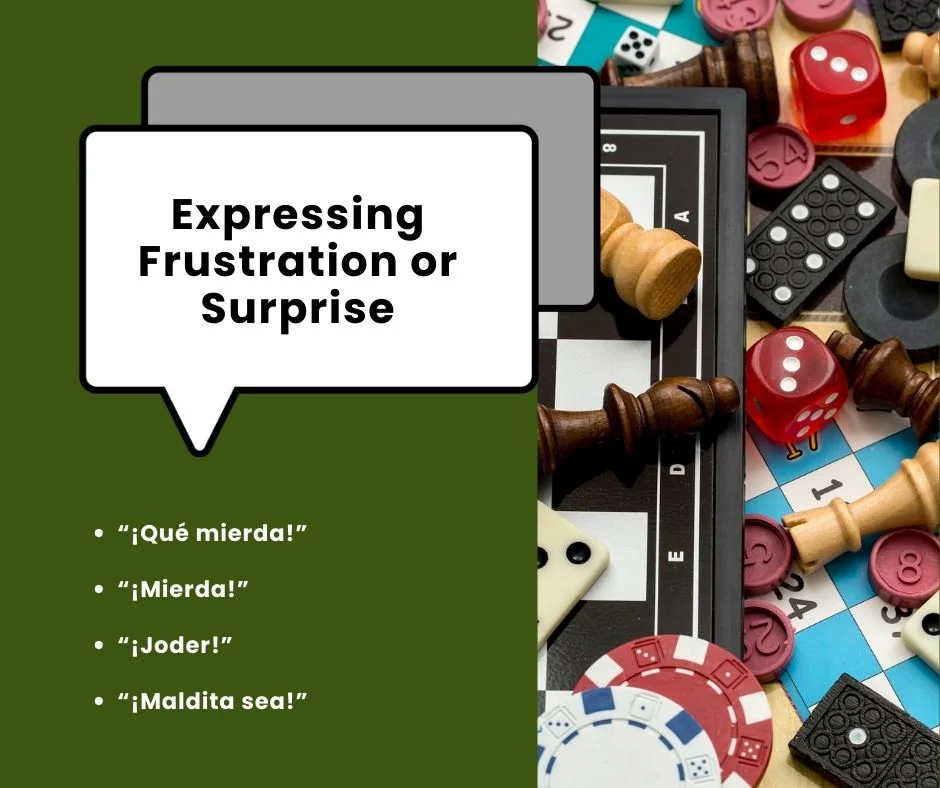
Saying “shit” is often about emotion. Here’s how to express frustration in Spanish naturally:
- “¡Mierda!” – When something unexpected happens
- “¡Qué mierda!” – “What a shit!” for bad situations
- “¡Joder!” – Stronger surprise or annoyance
- “¡Maldita sea!” – Mild frustration, slightly formal
Example scenario:
- You spill coffee on your shirt:
- “¡Mierda! Otra vez.” – “Shit! Again.”
- “¡Mierda! Otra vez.” – “Shit! Again.”
Using Humor When Saying Shit
Sometimes “shit” is used humorously, not seriously. Spanish has expressions for that too:
- “¡Vaya mierda!” – “What a load of crap!”
- “¡Menuda mierda!” – “What a shitty thing!”
- “¡Esto es una mierda!” – “This is shit!”
Example:
- Watching a bad movie:
- “¡Menuda mierda! No me gustó nada.” – “What shit! I didn’t like it at all.”
- “¡Menuda mierda! No me gustó nada.” – “What shit! I didn’t like it at all.”
Polite Alternatives to Shit
If you want to express frustration without being vulgar, Spanish offers alternatives:
- “Rayos” – “Darn”
- “Diablos” – “Devil” or “Darn it”
- “Caray” – Mild surprise, like “Wow” or “Dang”
Example:
- “¡Rayos! Olvidé mi libro.” – “Darn! I forgot my book.”
Using Shit in Spanish Phrases
Shit often appears in expressions, idioms, or casual speech.
- Estar en la mierda – To be in a bad situation
- No dar ni una mierda – To not give a damn
- Hacer mierda – To ruin something completely
- Importar un mierda – To not care at all
Example:
- “Ese examen me hizo mierda.” – “That exam fucked me up.”
- “Me importa un mierda lo que digan.” – “I don’t give a shit what they say.”
Pronunciation Tips
Proper pronunciation ensures you are understood and sound natural:
- Mierda: mee-ER-dah
- Carajo: kah-RA-ho
- Joder: ho-DEHR
- Chinga: CHEEN-gah
- Maldita sea: mal-DEE-tah SEH-ah
Speak slowly first, then speed up as you get comfortable. Spanish words carry emphasis on certain syllables, so listen carefully.
Real-Life Examples
Knowing the words is one thing; using them in everyday situations is another. Here are practical examples:
- Frustration: “¡Mierda! Se me olvidó el teléfono.” – “Shit! I forgot my phone.”
- Anger: “¡Carajo! No me escuchas.” – “Shit! You’re not listening to me.”
- Surprise: “¡Joder! ¡Eso es increíble!” – “Shit! That’s unbelievable!”
- Humor: “¡Esto es una mierda, pero me hace reír!” – “This is shit, but it makes me laugh!”
- Mild alternative: “¡Rayos! Otra vez.” – “Darn! Again.”
Regional Differences
Spanish is spoken in many countries, and slang words differ widely:
- Spain: Joder, mierda
- Mexico: Chinga, mierda
- Argentina: Mierda, la cagada
- Caribbean countries: Carajo, mierda
Be aware of the audience and location to avoid misunderstandings.
When Not to Use Shit in Spanish
- In formal situations
- Around elders or strangers
- In professional or business contexts
- With children
- In serious or sensitive conversations
Using these words inappropriately can offend or seem disrespectful.
Advanced Expressions
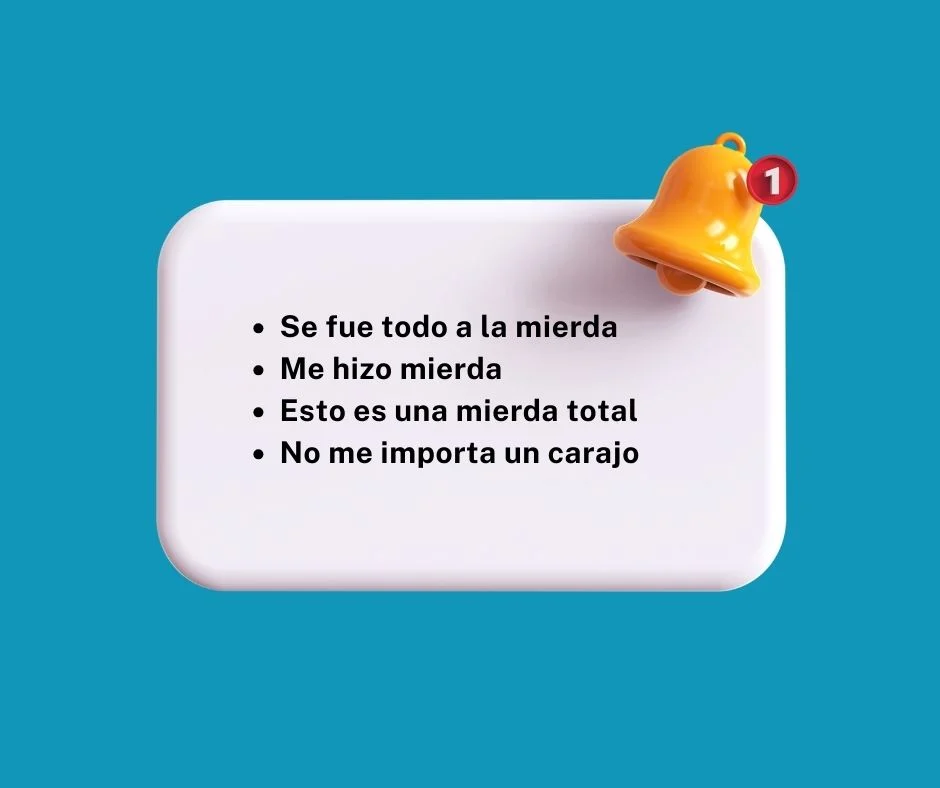
Once comfortable, you can use richer phrases with “shit” in Spanish:
- Se fue todo a la mierda – Everything went to shit
- Me hizo mierda – It destroyed me or ruined me emotionally
- Esto es una mierda total – This is total shit
- No me importa un carajo – I don’t give a shit at all
Example:
- “Mi computadora se rompió y se fue todo a la mierda.” – “My computer broke and everything went to shit.”
Frequently Asked Questions
What is the easiest way to say shit in Spanish?
The simplest and most universal word is mierda.
Can I use shit in casual conversation?
Yes, with friends or peers, but avoid using it in formal settings.
Are there polite alternatives to shit in Spanish?
Yes, words like rayos, diablos, and caray are polite alternatives.
Does the word change depending on the country?
Yes, different Spanish-speaking countries use slang differently. For example, joder is common in Spain, while chinga is used in Mexico.
Is it offensive to say shit in Spanish?
It can be offensive in formal situations or around elders. Always consider context and audience.
Conclusion
Learning how to say shit in Spanish helps you understand real-life conversations, movies, and casual interactions.
Words like mierda, joder, and carajo express frustration, surprise, or humor naturally, but cultural awareness is essential.
Using these words appropriately adds authenticity to your Spanish while keeping communication fun and expressive.
Also Check These Posts:
How to Say Hi in Jamaican | Everyday Greetings Anyone Can Use
How to Say I Love You in Hawaiian
How to Say Water in Spanish | Speak Naturally Without Confusion

Daniel Carter
Hi, I’m Daniel Carter, a passionate storyteller and lifelong explorer of languages and cultures. Writing has always been my way of connecting with the world, sharing stories that inspire, educate, and entertain. I love diving into the nuances of communication and finding beauty in the words we use every day. Over the years, I’ve dedicated myself to crafting stories that resonate across borders and languages. When I’m not writing, you’ll usually find me exploring new places or learning something new about the world around me. My goal is to create stories that make readers think, smile, and sometimes even dream.
Books:
-
Whispers Across Borders
-
The Language of Hearts