
This guide is just for you; the one who wants to connect a little deeper and say something meaningful this New Year. 💛
If you’ve been wondering how to say Happy New Year in Vietnamese, you’re in the perfect place to start.
Maybe you feel a little nervous about getting the words right, and that’s completely okay.
Learning a new language, even one simple phrase, takes courage.
Take a deep breath; you’re about to discover how beautiful and joyful this greeting can truly be.
The Most Common Vietnamese New Year Greeting
The most widely used way to say Happy New Year in Vietnamese is:
Chúc Mừng Năm Mới
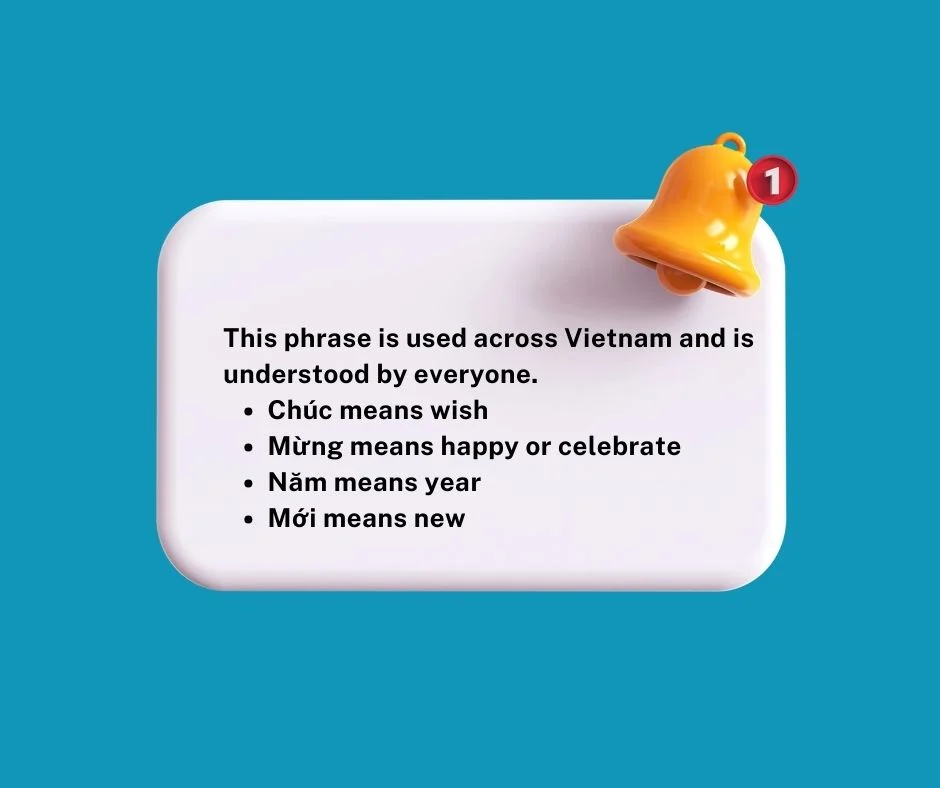
This phrase is used across Vietnam and is understood by everyone.
- Chúc means wish
- Mừng means happy or celebrate
- Năm means year
- Mới means new
Together, Chúc Mừng Năm Mới means “Wish you a Happy New Year.”
It is polite, warm, and suitable for almost all situations.
How to Pronounce Chúc Mừng Năm Mới
Pronunciation is important in Vietnamese because it is a tonal language.
You do not need to be perfect, but clear effort matters.
Helpful pronunciation guide:
- Chúc sounds like “chook”
- Mừng sounds like “moong”
- Năm sounds like “nam”
- Mới sounds like “moy”
Say it slowly at first, then smoothly as one sentence.
How to Say Happy New Year in Vietnamese in English
The most common way to say Happy New Year in Vietnamese is:
Chúc Mừng Năm Mới
What It Means in English
- Chúc = Wish
- Mừng = Celebrate / Congratulations
- Năm = Year
- Mới = New
So the full meaning is:
“Wishing you a Happy New Year.”
It’s used for both the Western New Year (January 1st) and the Lunar New Year.
How to Say Happy New Year in Vietnamese Pronunciation
Correct pronunciation is very important in Vietnamese because it is a tonal language.
Here’s a simple pronunciation guide:
Chúc Mừng Năm Mới
Pronounced as:
Chook Moong Nahm Moy
Break it down:
- Chúc → “Chook”
- Mừng → “Moong” (with a slightly deeper tone)
- Năm → “Nahm”
- Mới → “Moy”
How Do You Say Happy New Year in Vietnamese Pronunciation Clearly?
Say it slowly at first:
Chook… Moong… Nahm… Moy.
Then say it smoothly:
Chook Moong Nahm Moy!
Speak gently and clearly. Vietnamese tones change meaning, so try to copy native pronunciation if possible.
How to Say Happy New Year in Vietnamese Audio Style Practice
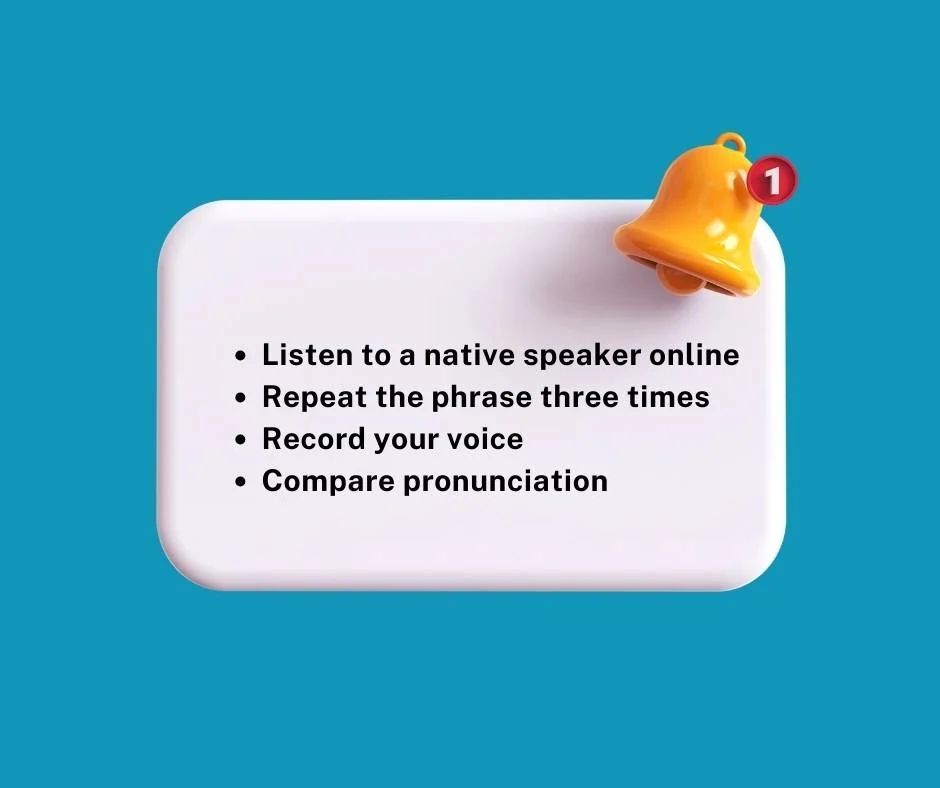
If you’re looking for how to say happy new year in Vietnamese audio, here’s how you can practice like a native speaker:
Step-by-Step Audio Practice Method
- Listen to a native speaker online
- Repeat the phrase three times
- Record your voice
- Compare pronunciation
Practice Rhythm
Vietnamese speech has a natural rhythm:
Chúc Mừng | Năm Mới
There’s a slight pause in the middle.
Common Pronunciation Mistakes
- Saying “Chuck” instead of “Chook”
- Saying “Moon” instead of “Moong”
- Ignoring tone changes
Practice makes it easier each time.
How to Say Happy New Year in Vietnamese for Tết
During Vietnamese Lunar New Year, called Tết, the greeting becomes even more special.
The full name of the holiday is Tết Nguyên Đán, which means Lunar New Year festival.
Standard Tết Greeting
Chúc Mừng Năm Mới
This is still the most common greeting during Tết.
Longer Tết Wishes
People often add blessings like:
- An khang thịnh vượng (Peace and prosperity)
- Vạn sự như ý (May everything go as you wish)
- Sức khỏe dồi dào (Good health)
Example full greeting:
Chúc Mừng Năm Mới. An khang thịnh vượng.
Meaning:
Happy New Year. Wishing you peace and prosperity.
These are commonly said to elders and family members.
Happy New Year in Vietnamese 2026
If you want to say Happy New Year in Vietnamese 2026, you can say:
Chúc Mừng Năm Mới 2026!
If it’s Lunar New Year 2026, you can say:
Chúc Mừng Năm Mới Xuân 2026!
“Xuân” means spring and is often used during Tết.
Example Social Media Caption
Chúc Mừng Năm Mới 2026!
Chúc bạn một năm thành công và hạnh phúc.
Translation:
Happy New Year 2026!
Wishing you a year of success and happiness.
How to Say Happy New Year in Vietnamese Funny
If you want a playful or funny version, you can say:
Chúc Mừng Năm Mới, tiền vô như nước!
Meaning:
Happy New Year, may money flow in like water!
This is humorous because it exaggerates wealth wishes.
Another fun example:
Chúc Mừng Năm Mới, ăn Tết không tăng cân!
Meaning:
Happy New Year, may you not gain weight during Tết!
This joke is popular because people eat a lot during the holiday.
Funny greetings are usually shared among friends, not elders.
Happy New Year Vietnamese Song
A very famous Happy New Year Vietnamese song is:
“Ngày Tết Quê Em”
This is a traditional Tết celebration song often played during Lunar New Year.
Another popular song is:
“Happy New Year” by ABBA, which is also widely played in Vietnam during Western New Year celebrations.
During Tết, you will hear joyful songs in:
- Shopping malls
- Homes
- TV programs
- Firework events
Music is an important part of the celebration.
When to Use Each Greeting
Western New Year (January 1)
Use:
Chúc Mừng Năm Mới
Lunar New Year (Tết)
Use:
Chúc Mừng Năm Mới
Add prosperity and health wishes
Formal Situations
Add respectful wishes like:
- Sức khỏe (Health)
- Thành công (Success)
Casual Situations
Keep it short:
Chúc Mừng Năm Mới!
Vietnamese New Year Culture Explained
Understanding culture helps you use greetings correctly.
What Is Tết?
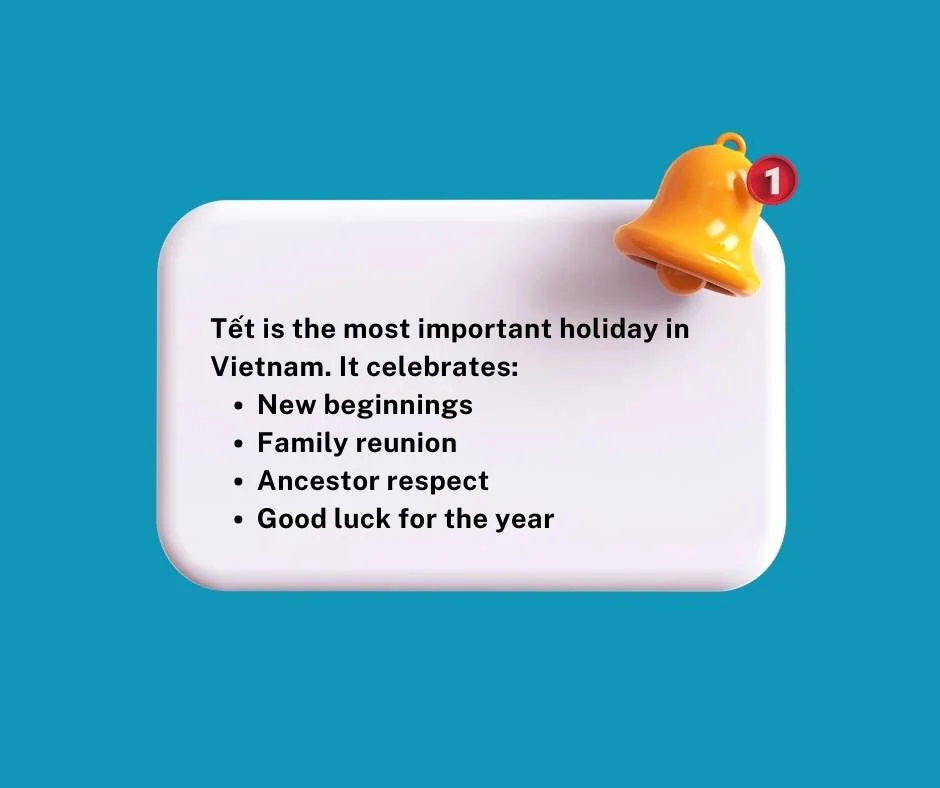
Tết is the most important holiday in Vietnam. It celebrates:
- New beginnings
- Family reunion
- Ancestor respect
- Good luck for the year
Common Tết Traditions
- Giving red envelopes (lì xì)
- Visiting relatives
- Cleaning the house before New Year
- Decorating with peach or apricot blossoms
Saying “Chúc Mừng Năm Mới” is part of these traditions.
Quick Summary Table
| English | Vietnamese | Pronunciation |
| Happy New Year | Chúc Mừng Năm Mới | Chook Moong Nahm Moy |
| Happy New Year 2026 | Chúc Mừng Năm Mới 2026 | Chook Moong Nahm Moy 2026 |
| Prosperity | Thịnh vượng | Teen Vuhng |
| Good Health | Sức khỏe | Sook Kwe |
This helps you remember easily.
Tips to Sound More Natural
- Smile when saying it
- Keep your tone warm
- Speak slowly
- Use eye contact
- Add a small bow for elders
Vietnamese greetings are about respect and warmth.
When to Use Happy New Year in Vietnamese
Vietnam celebrates the Lunar New Year, known as Tết Nguyên Đán, which usually falls between late January and mid-February.
You can use Chúc Mừng Năm Mới:
- On the first day of Tết
- During New Year visits
- In messages and cards
- When meeting friends, elders, or coworkers
It is polite to smile and say the greeting clearly.
Formal and Polite New Year Greetings
Vietnamese culture places strong importance on respect, especially toward elders and authority figures.
More respectful variations include:
- Chúc ông bà năm mới mạnh khỏe (Wishing grandparents good health in the new year)
- Chúc anh chị năm mới thành công (Wishing success in the new year)
These greetings show thoughtfulness and cultural awareness.
Casual New Year Greetings for Friends
When speaking with friends or people your age, the greeting can feel lighter and friendly.
Examples:
- Chúc mừng năm mới nhé
- Năm mới vui vẻ
These versions sound relaxed and natural in casual conversations.
New Year Wishes Often Added After the Greeting
After saying Happy New Year in Vietnamese, people usually add good wishes.
Common wishes include:
- Sức khỏe (good health)
- Thành công (success)
- May mắn (good luck)
- Hạnh phúc (happiness)
- Bình an (peace)
Example:
- Chúc mừng năm mới, chúc bạn nhiều sức khỏe và may mắn
Happy New Year, wishing you good health and luck
Writing Happy New Year in Vietnamese Messages
If you are sending a text, email, or card, Chúc Mừng Năm Mới is always appropriate.
Example message:
- Chúc mừng năm mới. Chúc bạn và gia đình một năm mới an khang và hạnh phúc.
This is polite, warm, and commonly used.
Cultural Importance of New Year Greetings in Vietnam
New Year greetings are more than words in Vietnam. They represent:
- Respect for elders
- Hope for the future
- Family unity
- Gratitude and kindness
People often greet elders first, then younger family members.
Common Mistakes Learners Should Avoid
When learning how to say happy new year in Vietnamese, beginners sometimes make mistakes.
Avoid these:
- Using English tone with Vietnamese words
- Forgetting to smile
- Mixing up word order
- Using casual greetings with elders
Taking a moment to learn the proper phrase makes a big difference.
Comparing Vietnamese New Year Greetings With English
In English, “Happy New Year” is simple and direct.
In Vietnamese, greetings often include:
- Wishes for health
- Wishes for prosperity
- Wishes for family happiness
This shows the cultural value placed on relationships and well-being.
How Children and Adults Use New Year Greetings
Children often say:
- Chúc mừng năm mới ông bà
Adults often say:
- Chúc mừng năm mới, chúc sức khỏe và thành công
The language changes slightly depending on age and relationship.
Practicing Happy New Year in Vietnamese
Practice makes confidence.
Simple practice ideas:
- Say the greeting out loud daily
- Practice with a mirror
- Write it in a notebook
- Use it in short sentences
Example:
- Chúc mừng năm mới mọi người
Happy New Year everyone
New Year Greetings in Vietnamese Songs and Media
You will often hear Chúc Mừng Năm Mới in:
- Vietnamese New Year songs
- Television shows
- Social media posts
- Family gatherings
Listening helps improve pronunciation and understanding.
Using Happy New Year in Vietnamese While Traveling
If you visit Vietnam during Tết, saying Happy New Year in Vietnamese will:
- Make locals smile
- Show cultural respect
- Create friendly interactions
Even simple attempts are appreciated.
Frequently Asked Questions
How do you say happy new year in Vietnamese
You say happy new year in Vietnamese by saying Chúc Mừng Năm Mới.
Is Chúc Mừng Năm Mới formal or casual
Chúc Mừng Năm Mới is polite and works in both formal and casual situations.
Can I shorten happy new year in Vietnamese
Yes, people sometimes say Năm mới vui vẻ in casual settings.
Is happy new year in Vietnamese used only during Tết
Yes, it is mainly used during the Lunar New Year celebration.
Do Vietnamese people add wishes after happy new year
Yes, it is common to add wishes for health, luck, and success.
Conclusion
Learning how to say happy new year in Vietnamese allows you to take part in one of Vietnam’s most meaningful traditions.
The phrase Chúc Mừng Năm Mới is simple, respectful, and widely used.
With correct pronunciation and thoughtful use, you can express warmth, respect, and good wishes confidently.
Keep practicing, and enjoy sharing joy across cultures.
Also Check These Posts:
How to Say 12 in Spanish | Meaning, Spelling, and Usage in 2026
How to Say Sorry Without Saying Sorry Like a Pro in 2026
How to Say Mommy in Spanish Naturally and Affectionately for 2026

Blake Kinslee
Hi! I’m Blake, a passionate writer who loves exploring the beauty of different languages and cultures through storytelling. Ever since I was young, I’ve been fascinated by how words can connect people across the world. Writing, for me, is not just a hobby—it’s a way to share ideas, emotions, and dreams with readers everywhere. When I’m not crafting stories, you’ll usually find me reading, traveling, or discovering new words in languages I’ve never spoken before. Every book I write is a journey, and I hope my readers feel that magic too.
Books:
-
Whispers Across Borders
-
The Language of Dreams