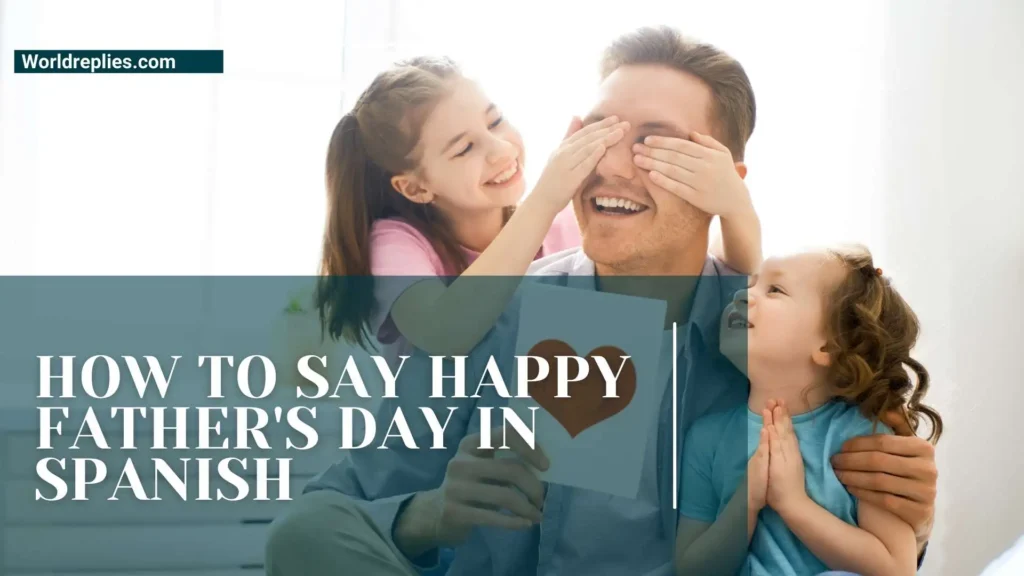
Looking for the perfect way to wish your dad a heartfelt greeting in Spanish?
How to say Happy Father’s Day in Spanish is easier than you think, and it can make your message feel extra special.
Whether you want something simple, sweet, or memorable, this guide will show you the right phrases to express your love.
Read on, and make this Father’s Day unforgettable for your dad!
Why Learning Father’s Day Greetings in Spanish Matters
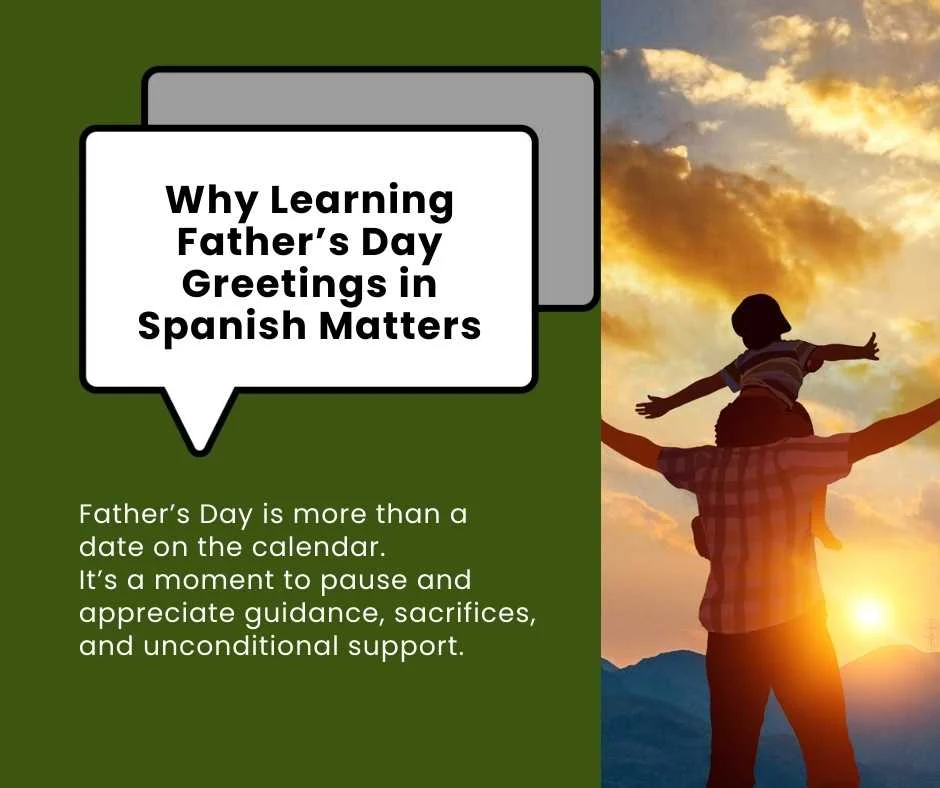
Father’s Day is more than a date on the calendar.
It’s a moment to pause and appreciate guidance, sacrifices, and unconditional support.
Many people have Spanish-speaking fathers, grandfathers, or loved ones.
Others want to connect culturally or emotionally in a deeper way.
Knowing how to say happy father’s day in spanish allows you to:
- Show respect for language and culture
- Make your message feel personal
- Strengthen family bonds
- Speak with confidence and warmth
Even a short phrase can leave a lasting impression.
The Most Common Way to Say Happy Father’s Day
Feliz Día del Padre
The most widely used and accepted phrase is:
Feliz Día del Padre
This phrase is understood across all Spanish-speaking countries and works in both formal and informal situations.
Examples:
- Feliz Día del Padre, papá.
(Happy Father’s Day, dad.) - Te deseo un Feliz Día del Padre.
(I wish you a Happy Father’s Day.)
It is simple, warm, and perfect for beginners.
Understanding the Meaning of the Phrase
To fully understand how to say happy father’s day in spanish, it helps to break down the phrase.
- Feliz means happy
- Día means day
- del means of the
- Padre means father
Together, the phrase directly translates to “Happy Day of the Father,” which is how Spanish naturally expresses the holiday.
Pronouncing Feliz Día del Padre Correctly
Clear pronunciation helps your message sound sincere.
Beginner-friendly pronunciation:
- Feh-LEEZ DEE-ah del PAH-dreh
Helpful tips:
- Stress “lez” in feliz
- Say día with a soft pause
- Roll the “r” lightly in padre
Speaking slowly is better than rushing.
Adding Love and Emotion to Your Message
Father’s Day messages often include extra affection. Spanish offers many loving expressions you can add naturally.
With Papá or Papi
- Feliz Día del Padre, papá.
- Feliz Día del Padre, papi.
These versions feel personal and affectionate.
Adding Gratitude
You can include appreciation in simple ways.
Examples:
- Gracias por todo. (Thank you for everything.)
- Eres el mejor papá. (You are the best dad.)
Combined message:
- Feliz Día del Padre, gracias por todo.
Formal and Respectful Variations
If you are speaking to a father-in-law, teacher, or elder, a slightly more respectful tone fits better.
Examples:
- Le deseo un Feliz Día del Padre.
- Que tenga un Feliz Día del Padre.
These phrases sound polite and thoughtful.
Casual and Friendly Expressions
With close family or friends, a relaxed tone works perfectly.
Examples:
- ¡Feliz Día del Padre!
- ¡Que tengas un gran Día del Padre!
These sound warm and natural in everyday conversation.
Writing Happy Father’s Day in Spanish Cards
When writing a card, simplicity and sincerity matter most.
Simple examples:
- Feliz Día del Padre con mucho cariño.
- Para el mejor papá, Feliz Día del Padre.
You don’t need long sentences. Heartfelt words matter more.
Using Father’s Day Greetings in Text Messages
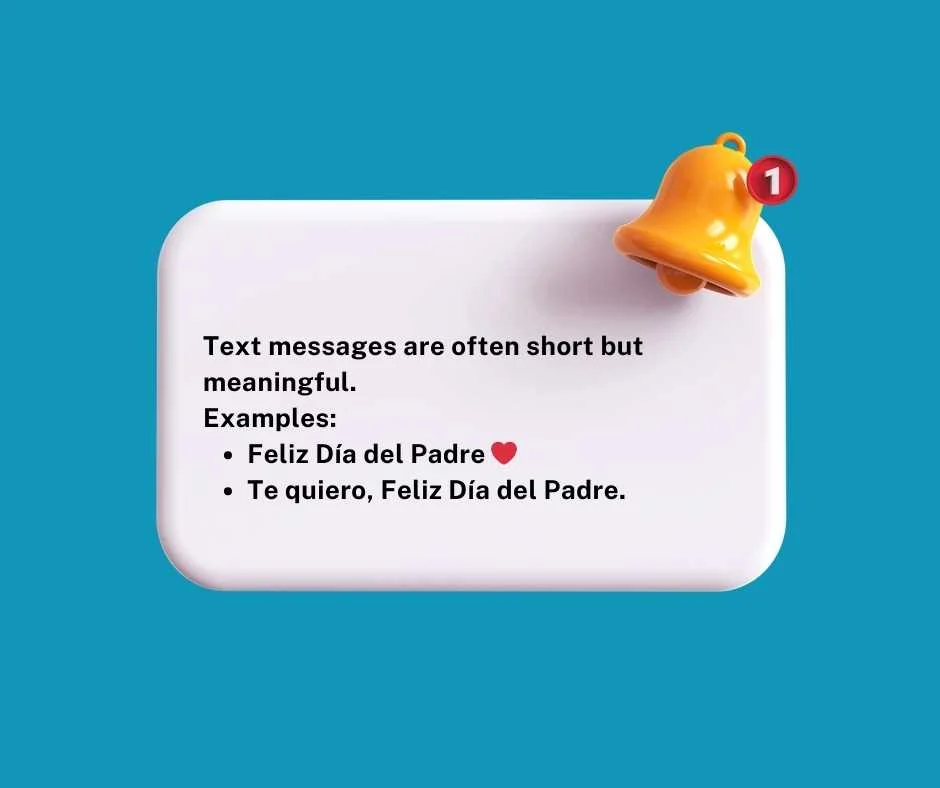
Text messages are often short but meaningful.
Examples:
- Feliz Día del Padre ❤️
- Te quiero, Feliz Día del Padre.
Emojis can add warmth without changing the message.
Cultural Importance of Father’s Day in Spanish-Speaking Countries
In many Spanish-speaking cultures, family plays a central role. Father’s Day is often celebrated with:
- Family meals
- Small gifts
- Phone calls and messages
- Acts of appreciation
Using Spanish greetings shows cultural awareness and respect.
When Father’s Day Is Celebrated
Most Spanish-speaking countries celebrate Father’s Day on the third Sunday of June.
However, some countries have different dates.
Regardless of the date, the phrase Feliz Día del Padre stays the same.
Saying Happy Father’s Day to Grandfathers
You can slightly adapt the phrase for grandfathers.
Examples:
- Feliz Día del Padre, abuelo.
- Para un gran abuelo, Feliz Día del Padre.
Grandfathers are often honored as father figures.
Saying It to a New Father
For someone celebrating Father’s Day for the first time:
Examples:
- Feliz primer Día del Padre.
- Disfruta tu primer Día del Padre.
These messages feel encouraging and joyful.
Saying Happy Father’s Day at Work or Public Events
In professional or public settings, keep it respectful.
Examples:
- Feliz Día del Padre a todos los padres.
- Les deseamos un Feliz Día del Padre.
These phrases are suitable for speeches, emails, or announcements.
Common Mistakes Beginners Should Avoid
When learning how to say happy father’s day in spanish, avoid these mistakes:
- Saying feliz padre día (incorrect order)
- Forgetting accent marks in Día
- Translating word-for-word from English
- Overcomplicating the message
Simple and correct is always best.
Differences Between Spanish and English Greetings
English:
- Happy Father’s Day
Spanish:
- Feliz Día del Padre
Spanish places emphasis on the day itself, making the phrase sound warm and respectful.
Teaching Kids to Say Happy Father’s Day in Spanish
This phrase is easy for children to learn.
Why it works well:
- Short and clear
- Emotional meaning
- Easy pronunciation
Kids enjoy learning it for school projects or family celebrations.
Using the Phrase on Social Media
Spanish Father’s Day greetings are popular online.
Examples:
- Feliz Día del Padre a todos los papás increíbles.
- Celebrando a los mejores padres hoy.
These sound friendly and inclusive.
Why Simple Words Matter Most
Spanish values sincerity. Long messages are not required to show love.
A simple:
- Feliz Día del Padre
Often means more than a long paragraph.
Building Confidence With Spanish Greetings
Learning how to say happy father’s day in spanish builds confidence because:
- You express emotions clearly
- You respect cultural traditions
- You connect more deeply
Each phrase you learn makes future conversations easier.
Frequently Asked Questions
How do you say happy father’s day in spanish?
You say Feliz Día del Padre, which is the standard and most common phrase.
Is Feliz Día del Padre formal or informal?
It works in both formal and informal situations.
Can I say Feliz Día del Padre to my grandfather?
Yes, it is appropriate and respectful for grandfathers too.
Do Spanish-speaking countries use the same phrase?
Yes, Feliz Día del Padre is understood everywhere.
Is it okay to shorten the phrase?
Yes, simply saying Feliz Día del Padre is perfectly fine.
Conclusion
Learning how to say happy father’s day in spanish is a small effort that brings meaningful results.
The phrase Feliz Día del Padre is simple, warm, and universally understood.
Whether spoken, written, or sent in a message, it helps you honor fathers with respect and love.
Use it confidently and let your words make the day even more special.
Also Check These Posts:
How to Say Macaron | Impress Friends with Perfect French for 2026
How to Say Zero in Spanish | Speak Numbers Like a Pro in 2026
How to Say Merry Christmas in Hawaiian | Master the Mele Kalikimaka Greeting
How to Say Shut Up in French Politely, Casually or Strongly in 2026

Ethan Moore
Ethan Moore is a passionate storyteller and language enthusiast who believes that words have the power to bridge cultures. Ever since he was young, Ethan has been fascinated by how languages shape our thoughts and connect people from different corners of the world. Through his writing, he explores the beauty of communication and the subtle nuances that make each language unique. When he’s not writing, Ethan enjoys traveling, learning new languages, and diving into different cultures. His goal is to inspire readers to embrace diversity and appreciate the richness of global expression.
Books:
-
Whispers Across Tongues
-
The Language of Dreams